PRESTIGE B-140 Antique Binoculars Coated Optics Famous Prismatic 1970S
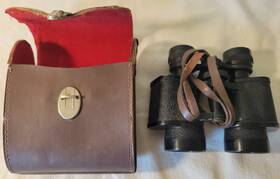
( Brand: Prestige ), ( Manufacturer Part Number: B-140 ), ( Type: Binoculars ), ( Lens Coating: Coated ), ( Unit Type: Unit ), ( Size: Mid-size ), ( Color: Black ), ( Maximum Magnification: 7x ), ( Application: General Purpose ), ( Country Of Origin: Japan )
Review PRESTIGE 1970s Vintage Antique Binoculars Coated Optics Famous Non prismatic
The Prestige B-140 from the 1970s is a legendary piece of optical engineering, embodying the golden era of non-prismatic binoculars a rare and sought-after relic from an era when simplicity and craftsmanship reigned supreme. These binoculars are celebrated for their unparalleled clarity and durability, crafted with a focus on unobstructed, high-contrast vision without the need for internal prisms, which were still relatively new in consumer optics at the time. The B-140 features a robust, all-metal body, typically constructed from a combination of brass and steel, giving it a substantial, almost heirloom-like presence that exudes timeless elegance. Its design is both functional and understated, with a classic, slightly rounded shape that balances ergonomically in the hands, making it equally at home for birdwatching, theatergoing, or casual outdoor use.
The optics of the Prestige B-140 are its crowning glory, renowned for their exceptional multi-coating an advanced technique for the 1970s that minimizes glare and maximizes light transmission, resulting in images of remarkable brightness and sharpness. The fully coated lenses (often featuring a signature green or amber tint) reduce surface reflections, allowing for a crisp, natural color reproduction that feels almost photographic in its fidelity. The non-prismatic design means there are no internal reflective surfaces to scatter light, which contributes to a cleaner, more direct visual experience, though it does come with a slightly narrower field of view compared to modern prismatic models. Despite this, the B-140 delivers an uncanny depth and clarity that makes distant subjects appear almost within arm s reach.
Under the hood, the binoculars are built with precision engineering, featuring a sturdy, screw-driven focusing mechanism that operates smoothly yet firmly, a hallmark of mid-century optical design. The eye cups are often adjustable, accommodating users with or without glasses, while the rubberized grip if preserved adds a tactile, vintage charm that enhances the binoculars handling. The strap attachment, typically integrated into the body or secured with a metal loop, ensures secure carrying, whether for a day at the opera or a nature hike. Over the decades, the Prestige B-140 has developed a cult following among collectors and enthusiasts, prized not just for its optical performance but for its historical significance as a transitional piece between the classic, prism-free designs of the early 20th century and the more modern, prismatic binoculars that followed.
For those fortunate enough to own one, the Prestige B-140 is more than just a tool for viewing the world it s a tangible link to a bygone era of meticulous craftsmanship and uncompromising quality. Its presence on a shelf or in the hands of an observer is a testament to the enduring allure of well-made, timeless optics, where every detail, from the polished metal to the flawlessly aligned lenses, speaks to an era when less was indeed more. Whether passed down through generations or carefully restored to its original splendor, the B-140 remains a symbol of optical excellence, a relic of a time when binoculars were not just instruments, but works of art.
### Pros and Cons of Buying a Prestige B-140 (1970s Antique) Non-Prismatic Binoculars
#### **Pros:**1. **Historical and Collectible Value** The Prestige B-140 from the 1970s is a rare and sought-after piece, especially among vintage optics enthusiasts. Its age and craftsmanship make it a unique collectible, potentially appreciating in value over time.
2. **Optical Quality (For Its Era)** While not modern, these binoculars were designed with high-quality glass and coatings for their time. The non-prismatic (porro prism) design was favored by some users for its wider field of view and softer, more natural image compared to modern roof prism models.
3. **Durability and Build** Vintage binoculars from reputable brands like Prestige often feature robust metal bodies, sturdy eyepieces, and well-crafted mechanisms. If maintained properly, they can last decades.
4. **Aesthetic Appeal** The classic design of 1970s binoculars, with their brass or metal finishes, can be visually striking and appealing to those who appreciate retro aesthetics.
5. **Potential for Restoration and Customization** Some collectors enjoy restoring vintage optics, cleaning lenses, and upgrading components (such as replacing rubber eyecups or adjusting focus mechanisms) to improve performance.
6. **Nostalgia Factor** For enthusiasts of outdoor history or vintage gear, owning a piece from the 1970s can evoke a sense of nostalgia and connection to past generations of outdoor enthusiasts.
---
#### **Cons:**1. **Outdated Technology** Modern binoculars incorporate significant advancements in lens coatings, prism treatments, and glass quality. The B-140 s optics, while decent for its time, will not match the clarity, contrast, and light transmission of contemporary models.
2. **Maintenance Challenges** Vintage binoculars often require more upkeep. Lenses may need frequent cleaning due to aging coatings, and internal mechanisms (such as focus knobs or diopter adjustments) may wear out over time.
3. **Limited Field of View and Magnification** The B-140 is likely a lower magnification model (e.g., 8x or 10x), which may not be ideal for detailed viewing of distant subjects compared to modern high-power binoculars.
4. **Potential for Damage** Antique optics are more susceptible to cracks, delamination, or internal misalignments due to age. The non-prismatic design can also be bulkier and less ergonomic than modern roof prism models.
5. **Cost of Restoration vs. Replacement** If the binoculars are in poor condition, restoring them may be expensive. In many cases, purchasing a modern used or entry-level binocular would offer better performance for less money.
6. **Limited Practical Use** For serious birdwatching, hunting, or astronomy, modern binoculars or telescopes will provide far superior performance. The B-140 is better suited for casual viewing or as a decorative piece.
7. **Ethical Concerns** Purchasing antique binoculars may contribute to the market for vintage gear, which can sometimes drive up prices for collectors while leaving fewer options for those who genuinely need functional optics.
---
### **Conclusion:**The Prestige B-140 from the 1970s is a fascinating piece of optical history with undeniable charm and collectible value. It is well-suited for enthusiasts who prioritize nostalgia, aesthetics, and the thrill of owning a vintage instrument over performance. However, for practical use such as birdwatching, stargazing, or outdoor activities modern binoculars will almost certainly offer superior optics, durability, and ease of use.
If you are considering this purchase, weigh whether you value it as a **collectible** or a **functional tool**. If the former, ensure you are prepared for potential restoration costs and the limitations of its age. If the latter, a well-maintained modern binocular (even a used one) would likely serve you better in terms of clarity, comfort, and longevity.
### **Recommendation:**- **Buy for collection or nostalgia** if you are an avid collector of vintage optics, appreciate the craftsmanship of the era, and are willing to invest in its preservation.
- **Avoid for practical use** unless you are prepared to restore and maintain it extensively, as modern alternatives will almost always provide better performance.
- **Consider alternatives** such as high-quality used modern binoculars (e.g., Vortex, Swarovski, or Nikon) if your primary goal is clear, reliable optics for outdoor activities.
Ultimately, the decision depends on your priorities whether you seek a piece of history or a functional tool.
Details:
The 1970s Vintage Antique Prestige Binoculars are a classic piece of optical equipment known for their high-quality coated optics and famous non-prismatic design.
part #: b140 prices
- $18.00-$40.00
specifications binoculamonocul:
- brand: Prestige
- mpn: B-140
- type: Binoculars
- lens coating: Coated
- unit type: Unit
- size: Mid-size
- color: Black
- maximum magnification: 7x
- application: General Purpose
- country of origin: Japan
payments binoculamonocul:
- wallet: Google-pay
- other
- credit card: Mastercard
general binoculamonocul:
- condition: Used
- Cameras Photo > Binoculars Telescopes > Binoculars Monoculars
seller binoculamonocul:
- # reviews: 177
- city: Mountain Top, Pennsylvania
- rating: 100.0%
returns binoculamonocul:
- method: Money back
- policy: Returns Accepted
- time: 30 Days
- paid by: Buyer
shipping binoculamonocul:
- class: Standard
- carrier: USPS
- service: USPS Ground Advantage
- transit: 5-11 Days
- type: Calculated
- cost: $0.00
offer binoculamonocul:
- sold: 0
- started: March 21, 2026
- options: Ship-to-home
- best offers: True
- availability: In Stock
- quantity: 1
Prestige B-140 Is Similar To:
- 107101 Prestige Binocular Japan Leather Case Vintage (36.8% similar) Very good optics clarity and focus. Weight 3 lb wear spots at the usual places on binocular. Some pealing at the edges of case. Very fine as found binocular set with velvet lined leather case...(December 14th, 2018)
- 200643 Prestige Binoculars With Leather Case (39.1% similar) These are in nice condition as pictured...(March 21st, 2018)