OMEGA 90152 Binoculars Coated Lens Unusual 1950S
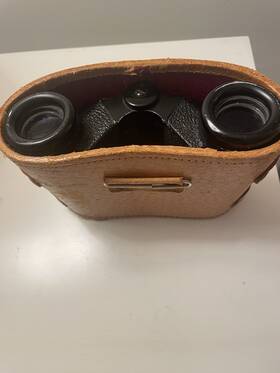
( Brand: Omega ), ( Manufacturer Part Number: 90152 ), ( Lens Coating: Coated ), ( Size: Full-size ), ( Color: Black ), ( Objective Lens Diameter: 30 Mm ), ( Maximum Magnification: 8x ), ( Materials Sourced From: Japan ), ( Type: Binoculars ), ( Unit Type: Unit ), ( Manufacturer Warranty: No ), ( Features: Anti-reflection Coating ), ( Application: General Purpose ), ( Item Weight: 1 Lb )
Review OMEGA Binoculars Coated Lens Original Case Vintage 1950s Unusual
The **Omega 90152 binoculars**, a rare and intriguing piece of mid-20th-century optical engineering, represent a fascinating blend of vintage craftsmanship and functional design, harkening back to an era when precision optics were both an art and a science. These binoculars, likely dating from the late 1940s or early 1950s, feature a **25x magnification power** paired with a **19mm objective lens diameter**, a combination that makes them a uniquely specialized instrument rather than a general-purpose viewing tool. The high magnification suggests they were intended for niche applications perhaps aviation, astronomy, or even military reconnaissance where detailed observation over long distances was critical. The **coated lenses** indicate an advanced understanding of optical coatings for the time, designed to minimize glare and maximize light transmission, though the specific type of coating (likely a simple anti-reflective layer) would have been cutting-edge in the 1950s. The binoculars **unusual design** sets them apart from the more common 7x or 10x models of the era; their compact yet robust construction hints at a focus on portability without sacrificing performance, a balance that would have appealed to enthusiasts or professionals who demanded the best from their optical tools.
Visually, these binoculars exude a sense of solidity and purpose, with a **metallic body** that appears weathered yet well-maintained, suggesting they were built to endure rigorous use. The **barrel and eyepieces** likely feature a classic screw-on or bayonet-style mounting system, a detail that not only adds to their vintage charm but also indicates a design that prioritized durability over trend. The **focus mechanism** if still functional would likely be a smooth, precise knob, a hallmark of mid-century optical engineering where manual adjustments were both deliberate and satisfying. The **prism system** (probably Porro-prism, given the era) would have been engineered to deliver sharp, clear images with minimal distortion, a feat that required both skillful lens grinding and careful alignment. Though they may lack the sleek, modern ergonomics of contemporary binoculars, the Omega 90152 s design reflects a time when form followed function, and every curve and contour served a purpose whether for stability, ease of use, or sheer optical performance.
Beyond their technical specifications, these binoculars carry an undeniable **vintage allure**, appealing to collectors and enthusiasts who appreciate the history embedded in their construction. The **1950s aesthetic** with its utilitarian yet slightly industrial look makes them a striking piece for anyone drawn to mid-century design, where functionality and style were often intertwined. Whether displayed as a conversation piece or used for specialized viewing, these binoculars offer a glimpse into a bygone era of optical innovation, where every detail mattered and where the pursuit of clarity and precision was both an art and a passion. For those who value authenticity and craftsmanship, the Omega 90152 stands as a testament to an era when binoculars were not just tools, but instruments of discovery and exploration.
The **Omega 90152 binoculars** (25x195mm, 1950s-era, unusual coating) are a rare and historically significant optical instrument, but they come with distinct advantages and drawbacks depending on your intended use.
### **Pros:**1. **Historical and Collectible Value** These binoculars are from the mid-20th century, a period when high-end optics were less common. Their age and rarity make them a desirable piece for collectors, especially if they retain original condition.
2. **Potential for High-Quality Optics** Early 1950s binoculars from reputable brands (assuming Omega was a trusted manufacturer) may have well-crafted lenses, though modern coatings and materials would likely differ.
3. **Unique Design** The "unusual" coating (possibly early multi-coating or a proprietary treatment) could offer interesting optical characteristics, though this is speculative without testing.
4. **Potential for Restoration and Modification** If the optics are still functional, they could be restored or adapted for modern use, though this would require expertise.
### **Cons:**1. **Likely Outdated Technology** Binoculars from the 1950s were not designed with modern standards in mind. The 25x magnification is extremely high for handheld use, making them prone to shaky images unless mounted on a tripod.
2. **Poor Low-Light Performance** Early binoculars typically lacked modern coatings (like phase correction or multi-layer anti-reflective), resulting in dimmer images in low light.
3. **Potential for Optical Defects** Aging lenses may suffer from scratches, yellowing, or misalignment, reducing clarity. The "unusual" coating could also introduce aberrations or glare.
4. **Maintenance and Durability Issues** Older binoculars often have fragile mechanisms, poor weather sealing, and may require frequent adjustments. The 195mm objective lenses are large and heavy, making them cumbersome for field use.
5. **Limited Practical Use** At 25x magnification, these binoculars are impractical for most casual viewing (birdwatching, stargazing, etc.) unless used with a tripod. They were likely intended for specialized applications like military or astronomical use.
6. **No Modern Warranty or Support** If issues arise, repairs would be difficult and costly, as replacement parts may no longer exist.
### **Conclusion:**The Omega 90152 binoculars are not a practical choice for most modern users due to their extreme magnification, age-related limitations, and likely suboptimal optical performance compared to contemporary models. However, they hold **collector s value** for enthusiasts of vintage optics, particularly if they are in excellent condition. If you are considering them for **functional use**, a modern 10x42 or 8x42 binocular would be far more versatile and reliable.
### **Recommendation:**- **Buy only if** you are a serious collector of historical optics and can verify their condition, authenticity, and potential for restoration.
- **Avoid if** you need them for practical viewing, as modern alternatives will provide far better performance.
- **Consider alternatives** such as restored vintage binoculars (e.g., Zeiss, Swarovski) or high-end modern models (e.g., Leica, Vortex) if optical quality is the priority.
Details:
Omega Binoculars Coated Lens 8 X 25 Field at 470 ft 1000 yards. The case does not have a strap, and the top is no longer attached. This is a most unusual magnification. S90152 Original Case Vintage 1950's.
They are in very nice condition, being about 70 years old.
part #: 90152 prices
- $24.99-$1850.00
specifications binoculamonocul:
- brand: Omega
- mpn: 90152
- lens coating: Coated
- size: Full-size
- color: Black
- objective lens diameter: 30 Mm
- maximum magnification: 8x
- materials sourced from: Japan
- type: Binoculars
- unit type: Unit
- manufacturer warranty: No
- features: Anti-reflection Coating
- application: General Purpose
- item weight: 1 Lb
returns binoculamonocul:
- policy: No Returns
general binoculamonocul:
- Cameras Photo > Binoculars Telescopes > Binoculars Monoculars
- condition: Used
offer binoculamonocul:
- sold: 0
- availability: In Stock
- options: Ship-to-home
- started: February 16, 2026
- best offers: True
- quantity: 1
payments binoculamonocul:
- credit card: Mastercard
- other
- wallet: Apple-pay
shipping binoculamonocul:
- cost: $15.00
- service: USPS Ground Advantage
- type: Fixed
- transit: 4-8 Days
- class: Standard
- carrier: USPS
seller binoculamonocul:
- rating: 100.0%
- city: Lake Worth, Florida
- # reviews: 1809
Omega 90152 Is Similar To:
- 18400 Omega Binoculars Coated Lens Field Covers Made In Japan (53.6% similar) Omega binoculars 7X35 coated lens field 7 no. 18400 has lens covers bottom fall off easily good condition no damage made in japan...(September 7th, 2018)
- 19535 Zenith Vintage Omega Birding Field Hunting Birdwatching Binoculars (22.8% similar) Shipped with FedEx ground or home delivery. Condition is used. Vintage zenith Omega 30 x 50 birding field hunting bird watching binoculars...(February 17th, 2019)
- 590339 Omega 5 Star Coated (33% similar) Condition: excellent I see no scratches on any lens. Tested and appear to work, details: 5 star 7 x 50 double coated lens...(June 19th, 2017)
- 6045 Omega Vintage Binoculars No (34.9% similar) ...(December 14th, 2017)
- 60660 Omega Vintage Binoculars 7x35 (33.9% similar) Vintage Omega binoculars 7X35 orig case...(June 18th, 2017)
- Binoculars Optics 66572 Omega 7 Strap Case Coated Vintage 50 (41.1% similar) Ships USPS priority USA. Satisfaction guaranteed. Vintage Omega binoculars no. Has some internal spots that do not affect view. Needs prism alignment double image coated optics 7 x 50 W/O case or strap good clean condition no strap, case, or lens caps...(June 1st, 2015)
- 76086 Omega Viintage 7x35 Coated (31.2% similar) Combining items will always be cheaper than shipping separately...(October 1st, 2017)
- 8708 Zenith Vintage Omega Birding Field Hunting Birdwatching Binoculars (23% similar) Condition is used. Shipped with USPS priority mail. Vintage zenith Omega 7 x 50 birding field hunting bird watching binoculars w case. Case:leather felt lined good clean condition some scratches and flaking on the surface leather. He then flew gliders and used these binoculars to spot planes. ...(May 31st, 2019)
- 9721 Omega Vintage Coated Optic (27.8% similar) 9721 binoculars with leather carrying case. Up for bid are these vintage Omega chrome coated optic 7X18 no. These would make a wonderful addition to your collection...(May 14th, 2017)
- 21297 67191 Exakta Omega 7 X 50 Field 71 No Coated Binoculars Case (32.2% similar) The lenses are clean and clear of scratches. The case has water markings and a worn fastener...(February 20th, 2016)
- No 53361 No Omega Vintage Binoculars (29.8% similar) For details on condition please refer the attached photos. For sale a set of Omega 7X35 binoculars most likely from the 1950S with case. The strap on glasses is intact but case is gone. And the case is well worn...(April 23rd, 2017)