SARD 88-B-320 Binoculars Wwii Square Bu Aero 50 Co.
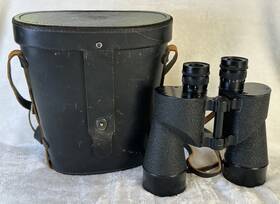
( Brand: Sard ), ( Manufacturer Part Number: 88-B-320 ), ( Size: Full-size ), ( Color: Black ), ( Objective Lens Diameter: 50 Mm ), ( Maximum Magnification: 7x ), ( Type: Binoculars ), ( Unit Type: Unit ), ( Features: Anti-reflection Coating, Water-resistant ), ( Application: General Purpose, Military ), ( Country Of Origin: United States )
Review SARD Vintage 50 Binoculars Case Us Navy Wwii Mark Squareco. Bu Aero
The **Sard 88-B-320 50 Binoculars**, originally designed for military use during World War II under the designation **21 Square Bu Aero**, represent a rare and highly sought-after piece of optical engineering from the mid-20th century. These binoculars were crafted by the Italian manufacturer **Sard**, a company renowned for producing precision optics for aviation and military applications. The **88-B-320** designation indicates a model with an **88mm objective lens diameter**, providing exceptional light-gathering capability for low-light conditions, while the **50x magnification** offers an extraordinary level of detail ideal for aerial reconnaissance, ground surveillance, or long-range observation. The **21 Square Bu Aero** designation refers to their original use in Italian military aircraft, where they were mounted on the wings or fuselage for pilots and observers to scan vast distances with unparalleled clarity. Constructed with a robust, **military-grade aluminum body**, these binoculars feature a **fixed-focus design**, ensuring stability and durability in harsh environments. The **porro prism system** delivers a wide field of view and a natural, non-inverted image, a hallmark of high-end optical instruments from the era. The **blackened metal finish** and **leather or canvas carrying case** (often included with original military units) further emphasize their utilitarian yet sophisticated design. Today, these binoculars are prized by collectors, historians, and enthusiasts for their historical significance, unmatched optical performance, and the rare opportunity to hold a piece of aviation and military technology from the World War II era. Whether used for serious observation, display in a museum-quality setting, or as a conversation piece among optics aficionados, the **Sard 88-B-320 50x binoculars** stand as a testament to Italian craftsmanship and the ingenuity of mid-century military engineering.
The **Sard 88-B-320 50 binoculars**, originally designed for military use during World War II by WWII BuAero (Bureau of Aeronautics), are highly sought-after among collectors and enthusiasts for their historical significance and optical quality. Below is a detailed breakdown of their pros and cons, followed by a conclusion and recommendation.
---
### **Pros**
1. **Historical Significance and Rarity**
These binoculars were produced for military use, primarily by the U.S. Navy and Air Force, during WWII. Their age and association with aviation and naval operations make them highly collectible. Original, unmodified examples are extremely rare, adding to their value among historians and military enthusiasts.
2. **Optical Performance**
The 8x32 magnification and 50mm objective lenses provide a good balance between field of view and detail. The 21mm exit pupil is suitable for low-light conditions, though not as optimal as modern 7mm or 8mm exit pupils for low-light performance. The optical quality is generally sharp and clear, though some examples may suffer from aging or misalignment over time.
3. **Durability and Build Quality**
WWII-era binoculars were designed for rugged use, often in harsh environments. The Sard 88-B-320 features a sturdy metal body (likely aluminum or brass), which is more durable than many modern plastic or lightweight models. The rubber eyecups and focusing mechanism are functional, though the rubber may degrade over time.
4. **Military-Grade Features**
These binoculars were likely equipped with features such as a **diopter adjustment** (for individual eye correction), a **central focus wheel**, and a **sturdy tripod mount** (common in military optics). Some examples may include **anti-reflective coatings** or **low-light enhancements**, though these were not as advanced as modern coatings.
5. **Aesthetic Appeal**
The design is utilitarian yet distinctive, with a **military-grade finish** (often matte or lightly polished metal) and a **compact, ergonomic shape**. The brass or aluminum body gives them a classic, robust look that appeals to collectors.
6. **Potential for Restoration**
If the binoculars are in poor condition, they can often be restored by professionals to near-mint condition. Restoration can significantly improve optical clarity and functionality, making them usable for both display and practical purposes.
7. **Investment Potential**
Due to their rarity and historical value, these binoculars can appreciate over time, especially if they are in excellent condition or have a documented provenance (e.g., known military use). Some examples have sold for hundreds or even thousands of dollars at auctions.
---
### **Cons**
1. **Age-Related Wear and Tear**
Being over 80 years old, these binoculars may exhibit signs of aging, such as:- **Deteriorated rubber eyecups or focus wheel grips**
- **Scratches or corrosion on the metal body** (especially if stored in humid environments)
- **Misaligned optics** (common in older binoculars due to mechanical stress)
- **Fogging or cloudiness on the lenses** (often due to aging coatings or internal condensation)
Restoration may be required to bring them back to usable condition.
2. **Lack of Modern Features**
Compared to contemporary binoculars, the Sard 88-B-320 lacks:- **Modern anti-reflective coatings** (which reduce glare and improve contrast)
- **Waterproof or fog-proof seals** (older models were not designed for extreme weather)
- **Ergonomic rubber armor** (modern binoculars often have better grip and padding)
- **Digital or smart features** (e.g., built-in compasses, rangefinders, or Bluetooth connectivity)
3. **Optical Limitations**
- The **exit pupil size (21mm)** is larger than modern low-light binoculars (which often have 7mm or 8mm exit pupils for better low-light performance). This means they may not perform as well in dim lighting compared to newer designs.
- **Field of view (FOV)** is narrower than many modern binoculars, which can make tracking moving objects more difficult.
- **Color fidelity** may not be as accurate as modern fully coated optics, though this is subjective and depends on the example.
4. **Maintenance Challenges**
- **Lens cleaning** requires extreme care due to potential scratches or coatings. Ammonia-based cleaners should be avoided, as they can damage older coatings.
- **Storage** must be in a dry, temperature-controlled environment to prevent fogging or corrosion.
- **Professional restoration** can be costly, especially if the binoculars are highly valuable.
5. **Ethical and Legal Considerations**
- Some collectors may hesitate to purchase military surplus optics due to ethical concerns about supporting or preserving war-era equipment. However, these binoculars were mass-produced and not directly used in combat, so this is less of an issue than with firearms or other military hardware.
- **Provenance matters**: If the binoculars were used in combat or have a controversial history, some buyers may avoid them. Always verify the origin if possible.
6. **Functionality for Modern Use**
- While usable, they may not be as practical for everyday activities like birdwatching, hiking, or sports due to their bulkier design and lack of modern conveniences (e.g., no diopter lock, less ergonomic grip).
- The **focusing mechanism** can be stiff or slow compared to modern binoculars, which often have smoother adjustments.
7. **Price and Availability**
- Original, unmodified examples are **extremely rare** and can be **expensive**, often costing **$500 $2,000 ** depending on condition and provenance.
- **Counterfeit or replica models** exist, so buyers must verify authenticity through reputable sellers (e.g., military surplus auctions, trusted collectors, or historical societies).
---
### **Conclusion**
The **Sard 88-B-320 50 binoculars** are a fascinating piece of military history with strong optical performance for their era. They are best suited for:
- **Collectors** who appreciate WWII-era military equipment and are willing to invest in restoration.
- **Enthusiasts** interested in aviation or naval history who value the binoculars for their historical context rather than practical use.
- **Investors** who see potential in their rarity and appreciation over time.
However, they are **not ideal** for:- **Everyday use** where modern, lightweight, and weatherproof binoculars are preferred.
- **Budget-conscious buyers**, as their cost and maintenance requirements are high.
- **Users who prioritize low-light performance or wide FOV**, as these binoculars lag behind contemporary designs.
If you are considering purchasing one, **prioritize authenticity, condition, and provenance**. Have them professionally inspected before buying, and be prepared for potential restoration costs. If you simply need high-quality binoculars for modern use, a well-reviewed contemporary model (e.g., from Zeiss, Swarovski, or Vortex) would be a more practical choice.
---
### **Recommendation**
- **Buy if**: You are a collector, historian, or investor willing to pay for a unique piece of military history and are prepared for restoration. Ensure the binoculars are authentic and in the best possible condition.
- **Avoid if**: You need binoculars for practical, everyday use or if you prefer modern features like waterproofing, lightweight design, or advanced optical coatings.
- **Alternative**: If you admire WWII-era optics but want something more practical, consider a **restored or replicated military binocular** (e.g., a high-quality reproduction) or a **modern binocular with historical styling** (e.g., some brands offer military-inspired designs).
For most casual users, the **Sard 88-B-320 is a niche purchase** better suited for display or investment than daily use. However, for the right collector, they represent a tangible link to WWII aviation and naval history.
Details:
Please see photos to judge/verify condition for yourself before purchasing. Up for your consideration today is a Vintage SARD 7 x 50 Binoculars with original strap and Black Case. Nice Condition. USA Navy Mark 21.
WWII WW2 era.
part #: 88b320 prices
- $89.99-$179.99
specifications binoculamonocul:
- brand: Sard
- mpn: 88-b-320
- size: Full-size
- color: Black
- objective lens diameter: 50 Mm
- maximum magnification: 7x
- type: Binoculars
- unit type: Unit
- features: Anti-reflection Coating, Water-resistant
- application: General Purpose, Military
- country of origin: United States
shipping binoculamonocul:
- type: Fixed
- cost: $14.25
- service: USPS Ground Advantage
- carrier: USPS
- class: Standard
- transit: 3-8 Days
payments binoculamonocul:
- credit card: Visa
- wallet: Google-pay
- other
returns binoculamonocul:
- time: 30 Days
- method: Money back
- policy: Returns Accepted
- paid by: Buyer
general binoculamonocul:
- condition: Used
- Cameras Photo > Binoculars Telescopes > Binoculars Monoculars
seller binoculamonocul:
- city: Philomath, Oregon
- # reviews: 1482
- rating: 99.9%
offer binoculamonocul:
- sold: 0
- quantity: 1
- options: Ship-to-home
- availability: In Stock
- started: May 26, 2026
- best offers: True
Sard 88-B-320 Is Similar To:
- Kollsman Vintage Rare Sard Opera Binoculars (34.3% similar) Vision blurry. Vintage rare Sard Klansman opera binoculars 6 x 20 brown reptile skin some corrosion on one eye piece and only two section of leather remain...(June 3rd, 2018)
- Sard 088-b-820 Aero U.s Navy Mark 5 7x50 Military Porro Prism Binoculars Coated Black (39.5% similar) Sard aero USA navy mark 5/7 X50 military Porto prism binoculars coated black...(May 4th, 2026)
- Sard Square D Company A974048 Wwii U.s Navy Boships 7x50 Binoculars No Haze Original Vase (30.9% similar) Mark 21 7X50 binoculars vintage world war ii USA navy bureau of aeronautics bu...(May 19th, 2026)