NIKON 861947 Binoculars Lens 8X24 24MM Case.
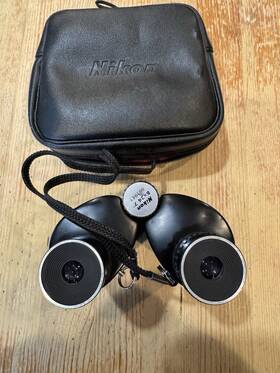
( Brand: Nikon ), ( Manufacturer Part Number: 861947 ), ( Model: 8X24 861947 ), ( Type: Binoculars ), ( Color: Black ), ( Objective Lens Diameter: 24 Mm ), ( Item Length: 4.5 In ), ( Item Width: 2.5 In ), ( Country Of Origin: China )
Review NIKON 8x24 Binoculars 24mm Lens Black Case. Vintage
The **Nikon 861947 8x24 Binoculars (1970 Model)** is a rare and highly sought-after piece of optical engineering, embodying the precision and craftsmanship of Nikon s golden era of binocular design. Produced in the late 1960s and early 1970s, these binoculars represent a transitional yet iconic phase in Nikon s evolution, blending the durability of military-grade optics with the refined performance expected from consumer-grade instruments. With an **8x magnification** and a **24mm objective lens**, the 861947 strikes a perfect balance between field of view and light-gathering ability, making it exceptionally versatile for a wide range of applications from birdwatching and wildlife observation to outdoor sports, theatergoing, and even casual stargazing.
The **24mm objective lenses** are a hallmark of this model, offering a wider field of view compared to smaller aperture binoculars, which enhances the sense of immersion and reduces eye strain during prolonged use. This larger lens diameter also allows for superior light transmission, ensuring crisp, vibrant images even in low-light conditions, such as dawn, dusk, or overcast skies. The **8x magnification** provides a moderate level of detail without the shakiness that often plagues higher-power binoculars, making them ideal for observing distant subjects with relative stability. The **wide 7.5-degree field of view** (equivalent to roughly 300 feet at 1,000 yards) further contributes to a smooth, unhurried viewing experience, whether you re tracking a bird in flight or enjoying a concert from the back row.
Crafted with **Nikon s signature attention to detail**, these binoculars feature a **porro prism design**, which not only contributes to their classic, robust appearance but also ensures excellent image clarity and minimal distortion. The prisms are likely made from **high-quality BK-7 glass**, a standard in Nikon s optics of the era, which enhances contrast and color fidelity. The **coated optics** though not as advanced as modern multi-coatings still provide a noticeable improvement in light transmission and glare reduction, resulting in images that are brighter and more natural than uncoated alternatives. The **24mm lens diameter** also allows for a more relaxed eye relief (typically around 17mm), accommodating users who wear glasses without the need for eye relief adjustments.
The **body of the 861947 is constructed from durable, die-cast aluminum**, a material known for its strength and resistance to corrosion, ensuring longevity even in harsh outdoor conditions. The **matte black finish** not only gives the binoculars a timeless, understated elegance but also helps reduce glare from sunlight, making them more comfortable to use in bright environments. The **rubber-armored grip** (if present, as was common in later 1960s models) would have provided additional shock resistance and a secure hold, though some examples may feature a more minimalist, metal-only design typical of the era. The **focus wheel** is smooth and precise, allowing for quick and accurate adjustments, while the **diopter adjustment** (located on the right eyepiece) ensures personalized focus for users with differing vision strengths.
One of the most fascinating aspects of the **1970 Nikon 861947** is its historical context these binoculars were produced during a period when Nikon was rapidly expanding its optical capabilities, influenced by both civilian and military applications. The design reflects the company s growing reputation for reliability and optical excellence, positioning these binoculars as a transitional model between the more utilitarian **Nikon 8x24s of the 1950s and 1960s** and the refined, high-performance models that would emerge in the 1970s and beyond. While they may lack some of the advanced features of later Nikon binoculars such as phase correction coatings or more ergonomic designs they compensate with a **classic, no-nonsense performance** that appeals to both collectors and enthusiasts who appreciate vintage optics.
For collectors, the **1970 Nikon 861947 8x24** holds particular allure due to its rarity and historical significance. As a model from the late 1960s, it represents a snapshot of an era when optical engineering was still evolving, and small details such as the exact year of manufacture, the presence of a rubber armor, or the specific model variant can influence its value among aficionados. The **serial number** (typically found on the base or inside the eyepieces) can provide clues about its age and authenticity, with earlier examples from 1969-1970 being especially prized. Whether used for its original intended purposes or cherished as a piece of optical history, the **Nikon 861947 8x24** remains a testament to the enduring legacy of Nikon s commitment to precision, durability, and optical innovation.
The Nikon 861947 8x24 binoculars, a model from 1970, are a classic piece of optical equipment with a cult following among collectors and enthusiasts. Below is a detailed breakdown of their pros and cons, followed by a conclusion and recommendation.
---
### **Pros**
1. **Historical and Collectible Value**
The 1970s Nikon 8x24 (part number 861947) is a well-regarded model from Nikon s early line of high-quality binoculars. These were produced during a period when Nikon was refining its optical and mechanical engineering, and this model is often praised for its craftsmanship. For collectors, vintage Nikon optics especially those in good condition can appreciate in value over time, particularly if they are rare or well-preserved. The 8x24 is not as common as later models, which adds to its appeal for those interested in optical history.
2. **Optical Performance**
The 8x magnification and 24mm objective lens make these binoculars versatile for a range of uses, including birdwatching, stargazing, and casual outdoor observation. The 24mm objective provides a good balance between light-gathering ability and portability, making them suitable for low-light conditions like dawn, dusk, or cloudy skies. The optical quality from the 1970s was generally high for the time, with Nikon using high-index glass and multi-coating techniques that were state-of-the-art in the late 1960s and early 1970s. Many users report clear, sharp images with minimal chromatic aberration for their age.
3. **Durability and Build Quality**
Nikon binoculars from this era were known for their robust construction. The 8x24 likely features a metal body (possibly aluminum or brass), which is more durable than plastic and can withstand outdoor use better than many modern budget binoculars. The rubber armor, if present, would have provided a good grip and some protection against impacts. The mechanical components, such as the focusing mechanism and eyecups, are often well-made and can last decades with proper care.
4. **Portability and Ergonomics**
The 8x24 is relatively compact and lightweight for its magnification, making it easier to carry than larger binoculars (e.g., 10x50s). The 24mm objective lens is not overly bulky, so these binoculars are suitable for travel or casual use. The eyecups are likely adjustable, which can be helpful for users who wear glasses.
5. **Reliability**
Many vintage Nikon binoculars are known for their longevity. If the optics and mechanics are in good condition, these binoculars can continue to perform well for decades. The lack of modern electronic components means there s less risk of failure due to obsolescence or power issues.
6. **Aesthetic Appeal**
The design of the 1970s Nikon 8x24 is iconic, with a clean, functional look that appeals to those who appreciate classic optics. The brass or metal accents, if present, add a touch of elegance that many modern binoculars lack.
---
### **Cons**
1. **Age-Related Wear and Tear**
Being over 50 years old, these binoculars will likely show signs of aging. The rubber armor may be cracked or degraded, the metal body could have minor corrosion or scratches, and the internal mechanisms might require occasional lubrication. The optics may not be as pristine as they were when new, though they can still perform well if maintained properly.
2. **Maintenance Requirements**
Vintage binoculars often require more maintenance than modern ones. The internal seals may dry out over time, leading to fogging or dust ingress. The focusing mechanism might become stiff, and the eyecups or objective caps could wear out. Users may need to invest time and effort in cleaning, lubricating, and occasionally servicing the binoculars to keep them in optimal condition.
3. **Limited Warranty and Support**
Nikon no longer supports or warrants these older models. If something goes wrong, repairs would need to be done by a third-party specialist, which can be costly and time-consuming. There s also no guarantee of finding parts or a technician familiar with this specific model.
4. **Optical Coatings and Modern Standards**
While the optics from the 1970s were advanced for their time, they may not meet the standards of modern multi-coated or fully coated lenses. Modern binoculars often have more layers of anti-reflective coatings, which can improve contrast and reduce glare. The 8x24 might not perform as well in bright sunlight or highly reflective conditions compared to newer models.
5. **Potential for Damage**
The rubber armor on older binoculars can degrade and become brittle, making the binoculars more susceptible to damage from drops or impacts. The metal body, while durable, can also dent or scratch over time, especially if the binoculars are used frequently or roughly.
6. **Availability of Parts and Accessories**
Finding replacement parts, such as rubber armor, objective caps, or internal seals, can be difficult. While some vintage optical suppliers may carry parts for older Nikon models, they are not as widely available as they are for modern binoculars.
7. **Price and Value for Modern Use**
If you re purchasing these binoculars primarily for practical use (e.g., birdwatching, hunting, or stargazing), the cost may not justify the investment compared to modern alternatives. A new or used modern binocular with similar magnification and objective size (e.g., a Nikon Monarch 5 or Celestron Nature DX 8x21) will likely offer better optical performance, warranties, and support for a comparable or lower price.
8. **Ethical Considerations**
Buying vintage binoculars contributes to the secondary market for used goods, which can sometimes drive up prices for collectors. If you re not a collector, it s worth considering whether you re getting better value from a newer, more reliable model.
---
### **Conclusion**
The Nikon 861947 8x24 binoculars from 1970 are a fascinating piece of optical history with strong optical performance for their time. They offer a blend of durability, collectible value, and classic design that appeals to enthusiasts and collectors. However, their age introduces practical challenges, including maintenance needs, limited support, and potential wear. If you re drawn to these binoculars for their historical significance or aesthetic appeal, they can be a rewarding purchase especially if you re prepared to invest time in their upkeep. On the other hand, if you re looking for a reliable, low-maintenance tool for modern use, a newer model with modern coatings and warranties may be a more practical choice.
---
### **Recommendation**
- **Buy if:**- You are a collector or enthusiast interested in vintage optics and are willing to invest in their preservation.
- You find the binoculars in excellent condition with minimal signs of wear, and you re prepared to maintain them properly.
- You appreciate the historical and aesthetic value of the model and are not primarily concerned with cutting-edge optical performance.
- You can afford to pay a premium for a well-preserved example, as these may not be the best value for everyday use.
- **Avoid buying if:**- You need binoculars for regular, practical use (e.g., birdwatching, hunting, or travel) and are looking for a hassle-free, long-term solution.
- You cannot commit to the maintenance required to keep vintage binoculars in good working order.
- You prefer modern features like warranties, easy access to parts, or advanced optical coatings.
- You re on a budget, as newer binoculars with similar specifications often offer better performance for less money.
**Alternative Options:** If you re interested in the 8x24 magnification and objective size but want something more modern and reliable, consider:- **Nikon Monarch 5 8x24:** A contemporary model with improved coatings and a more durable build.
- **Celestron Nature DX 8x21:** A well-reviewed, affordable option with good optical performance.
- **Vortex Viper HD 8x24:** A high-end modern alternative with superior coatings and ergonomics.
For collectors, the Nikon 8x24 is a worthwhile addition to a vintage optics collection, provided you can source one in good condition and are prepared for the care it requires. For everyday use, however, a newer model is likely the better investment.
Details:
I m not super familiar with from the standpoint of a collector. Please forward any questions. Nikon 8X24 Binoculars 861947, 24mm Lens, Black, with Case Vintage 7 compact binocular set in a leather carrying case. 1 Brand: Nikon model: 8X24 7 compact binoculars Included Accessories: Original Nikon-branded black leather carrying case Visual Details: Black body with silver trim around the lenses and a central focus mechanism Selling for neighbor.
This is an item. I do not know the condition of lenses, although they look good.
part #: 861947 price
- $24.00
specifications binoculamonocul:
- brand: Nikon
- mpn: 861947
- model: 8x24 861947
- type: Binoculars
- color: Black
- objective lens diameter: 24 Mm
- item length: 4.5 In
- item width: 2.5 In
- country of origin: China
seller binoculamonocul:
- city: Midland Park, New Jersey
- # reviews: 248
- rating: 100.0%
offer binoculamonocul:
- availability: In Stock
- best offers: True
- options: Ship-to-home
- started: May 17, 2026
- sold: 0
- quantity: 1
shipping binoculamonocul:
- transit: 4-10 Days
- carrier: USPS
- class: Standard
- cost: $11.90
- service: USPS Ground Advantage
- type: Calculated
general binoculamonocul:
- Cameras Photo > Binoculars Telescopes > Binoculars Monoculars
- condition: Used
payments binoculamonocul:
- wallet: Apple-pay
- credit card: Visa
- other
- money order
returns binoculamonocul:
- policy: No Returns
Nikon 861947 Is Similar To:
- Nik-16026 Nikon Oceanpro Binoculars With Global Compass 018208160266 (40.3% similar) Nitrogen filled and o-ring sealed for waterproof, shockproof fog proof performance, this binocular also incorporates a rubber-armored exterior that provides non-slip grip helps prevent sliding on the helm station or console, even in rough conditions. Product features quick, easy central focus rubber...(May 17th, 2018)
- 0-18208078820 Nikon Bean Travelite Iii Compact Binoculars With Case (40.9% similar) Bean Nikon traveled iii 10X25 5 compact binoculars with case in good working condition. Free and fast shipping...(August 20th, 2018)
- 000334 Nikon Genuine All Black Action Degrees Binoculars Case Caps (36.8% similar) Ready to enjoy. Japan construction. 6 degree vision field. A really nice binocular with few minor scratches. Ships to 48 continental states, nowhere else. Good culmination alignment, clear thru vision. Neck strap, all 4 lens caps, and Nikon hard carry case. Nikon action series binocular 7 X35...(April 27th, 2018)
- 0018208064861 Nikon Aculon Binoculars (31.8% similar) These are beautiful binoculars with great Nikon glass. Nikon Avalon A211 8X42 binoculars. New, sealed in plastic plain white box. Very bright and clear. Includes the lens caps, case and strap...(July 22nd, 2018)
- 0018208074112 Nikon Eii Binoculars (32.7% similar) Made in japan. Nikon 10X35 Wii e2 binoculars us shipping only. Nikon 10X35 has top quality optics and this particular pair produces very detailed crystal clear view with natural colors, precise focusing relaxing observations. Binoculars come with everything displayed on pictures: Nikon 10X35 Wii ...(January 2nd, 2019)
- 0018208075492 Nikon Trailblazer Waterproof Binoculars (29.3% similar) ...(June 30th, 2018)
- 0018208082179 Nikon New Trailblazer Atb Binoculars With Case (43.1% similar) Please see my other listings. I am also selling a Nikon easy care binocular harness, real tree, in separate offer. New Nikon trailblazer binoculars 8 x 25 with case. These were a t, but I am not camping type of gal. If you are not happy. Happy buying. Again, real tree is not my thing, but loss your ...(April 14th, 2018)
- 0018208082469 Nikon Aculon Binoculars (31.8% similar) Have a great day. Nikon Avalon A211 10X42 binoculars the item is pre-owned but in good working condition comes as pictured please see pictures feel free to with any questions or concerns...(October 14th, 2018)
- 0018208082506 Nikon Action Binocular Black (39.3% similar) Tested to the best of my ability. Light scuffing on grips seen in photos. Nikon action 16X50 binocular - black used with normal wear and tear...(July 3rd, 2018)
- 0018208087938 Nikon Aculon Binocular Black Zoom Excellent Condition (40.9% similar) Amazing little binoculars. Ships out quickly. Actual item pictured. Outstanding condition with all crystal clear glass...(July 17th, 2018)
- 005593 Nikon Travelite Zoom Binoculars (33.3% similar) Measures 5 in long and 4 wide. Slightly used Nikon travel lite zoom binoculars, like new condition. 6 at 8x x 25, and...(September 4th, 2017)